
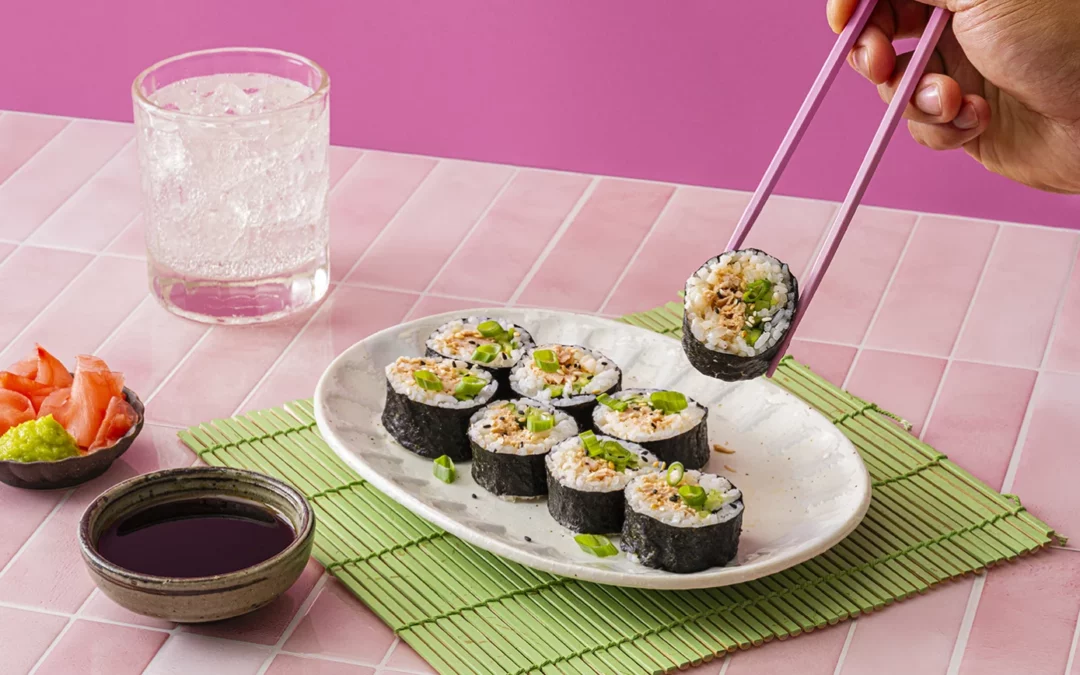
If you’re a sushi lover, you’ve probably toyed with the idea of learning to make the beloved Japanese dish at home. True, sushi artisans train for decades to master the art of sushi, but making basic sushi at home is something that any dedicated home cook can do! The best place to start? Learning about the best rice for sushi, and why the correct type is key to making a delicious homemade version of this dish.
Contrary to what you might think, the word sushi actually means “sour rice,” not fish or seafood. Raw fish served without rice is called sashimi. Clearly, rice is integral to making sushi with the correct flavor and texture! With tens of thousands of rice varieties to choose from, what do you look for when making rice for sushi? From its length and starch content to the level of processing it has undergone and its aroma, there are a few key characteristics you’ll want to look for when selecting the right rice to use in your sushi.
Stock your cupboards with a few essentials and be ready the next time a sushi craving hits. With rice that’s up to the task, you’ll avoid kitchen mishaps and roll your way to a successful dinner in no time!
What Makes Rice Good for Sushi?
Though every type of rice has its merits, each one varies in flavor, texture, and aroma. Learn how to recognize the type of rice that will result in the best sushi.
The Importance of Starch Content
All rice contains two types of starch, known as amylopectin and amylose. Different varieties of rice, however, contain different amounts of each type of starch. When cooked, amylopectin makes cooked rice sticky. Amylose, on the other hand, keeps rice firm and separate.
- Rice that is high in amylopectin and low in amylose, such as Success® boil-in-bag sticky rice, is stickier.
- Rice that is high in amylose and low in amylopectin, such as Success® boil-in-bag basmati rice, is looser and separate.
Texture Is Just as Important as Flavor
When making sushi, the starch content in your rice is crucial. Why does sushi rice need to be sticky? You want the grains to clump and stick together when cooked, meaning that the best rice for sushi is the type that can be rolled into neat maki or pressed into nigiri. Grains should be tender and firm, not mushy.
Rice Vinegar Isn’t the Only Secret
As mentioned above, the word sushi actually means “sour rice.” It’s no surprise, then, that rice vinegar is an essential ingredient in traditional sushi rice. For the best flavor, heat 2 tablespoons of rice vinegar, 2 teaspoons of sugar, and 1/2 teaspoon of salt in a saucepan. Simmer until the sugar and salt have dissolved. Without mushing the grains, toss the cooked sushi rice with the seasoned rice vinegar. This step enhances the flavor of the rice and makes it shiny. Just remember, rice vinegar can’t make the wrong type of rice behave like sushi rice!
Comparing the Most Common Types of Rice for Sushi
| Rice Variety | Texture | Best For |
| Sticky Rice | Soft and gluey | Sushi, poke bowls, rice balls and desserts |
| Short-Grain Sushi Rice | Tender and moist yet firm | Sushi, bibimbap, rice bowls and sushi bakes |
| Jasmine Rice | Soft, fluffy and slightly sticky | Curries, stir-fries and fried rice |
Sticky Rice
Also known as glutinous or sweet rice, sticky rice is known for its incredibly soft and chewy texture. When considering what rice is best for sushi, this type of rice is a clear front-runner, because it is naturally clingy and can be easily shaped. Though sticky rice differs from sushi rice—in its starch content, flavor and texture— it’s a great substitute when making sushi recipes at home. Especially good for novice sushi makers, restaurant-style Success® boil-in-bag sticky rice is reliable, delicious, and doesn’t require any soaking or extra equipment. It’s perfect for maki, sushi bowls, crispy rice, and poke bowls.

Traditional Short-Grain Sushi Rice
Traditional short-grain sushi rice is the best type of rice to use for sushi. A type of short- or medium-grain rice, sushi rice is less chewy and gummy than sticky rice. When cooked, sushi rice clings together and is slightly chewy, but its individual grains remain separate and are not mushy.
Jasmine Rice
Long-grain jasmine rice is fluffy and delectably fragrant. Though it is slightly stickier than Success® boil-in-bag basmati rice, its grains remain light and separate when cooked. A must-have when making curries, stews, and stir-fries, is jasmine rice good for sushi? It’s not the top choice, but you can learn to use jasmine rice to make sushi-inspired dishes. Otherwise, stick to sticky rice and sushi rice, and save your jasmine rice for other Asian-inspired dishes.
Sushi (Inspired) Recipes to Try at Home
Now that you know which type of rice you need to make sushi at home, it’s time to start cooking!
Tuna Onigiri
Whip up this 15-minute snack anytime a sushi craving hits! Made easy, thanks to Success® boil-in-bag sticky rice, it’s brimming with the flavors of seasoned tuna fish, nori and furikake. If you’re not going to eat these right away, cover them tightly in plastic wrap and store them in the refrigerator for up to a day.

Spicy Tuna Roll
Ready to tackle a maki recipe? Try your hand at this flavorful tuna roll! Assemble all of your ingredients—including the cooked Success® boil-in-bag sticky rice, tuna, sauces, cucumber, nori and garnishes—before you set out your bamboo sushi mat. Then, roll your way to a tasty dinner.
Crunch Roll Sushi Bowl
From bold flavors to its simple ingredient list and 17-minute prep time, this weeknight dinner has everything you crave after a long day! Keep the sweet, soft bed of Success® boil-in-bag sticky rice but switch up the toppings, for a different experience every time this is on the menu.

Sushi Bake
With oodles of tempting sushi flavors in a warm, comforting casserole, this dish is a reliable crowd pleaser. That half of the time it takes to prepare is hands off—as everything bakes to a golden-brown finish—makes it all the more appealing.

Crab & Shrimp Sushi Burrito
Kids will swoon for these hand rolls stuffed with crunchy veggies, shrimp and crab. If they’re old enough, invite them to assemble their own with their favorite fillings. When you’re running out of weeknight dinner ideas, this fun, interactive dish is sure to charm.

Crispy Rice with Spicy Shrimp Salad
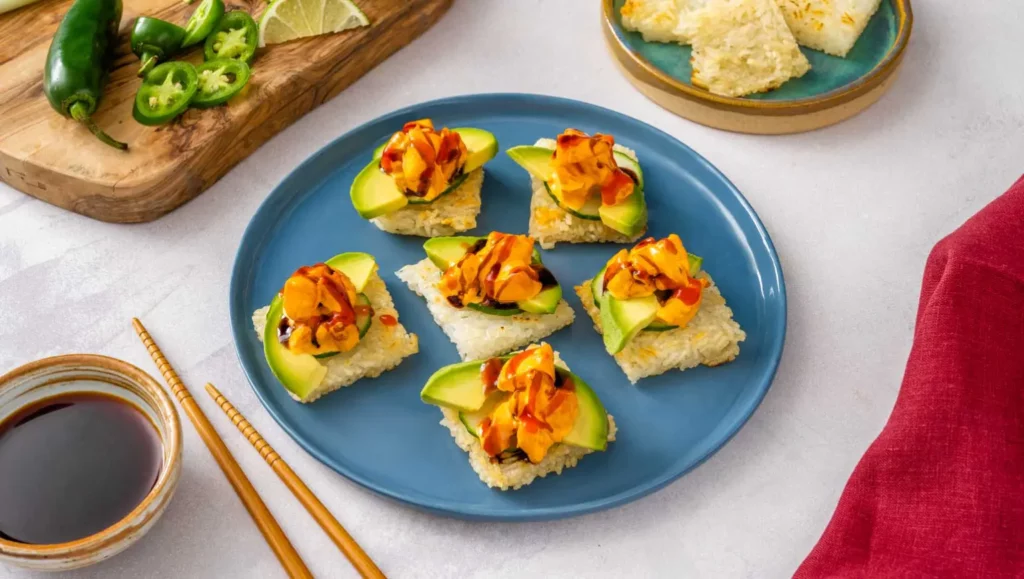
Formed into bite-size nibbles that are fried up until crisp and golden, Success® boil-in-bag sticky rice really shows off its versatility! Serve these as a snack or light dinner, topped with savory, spicy shrimp and creamy avocado, or your toppings of choice.
Hawaiian Ahi Tuna Spicy Mayo Poke Bowl
A dish that feels light but hearty, simple but satisfying, this loaded bowl is brimming with savory, fresh, bold ingredients. Easy to customize to every diner’s preferences, this straightforward dish is ideal for lunch or a light dinner.

Nam Khao
For this zesty dish—which is great for parties, tailgates, weeknight dinners and more—we flavor pork and Success® boil-in-bag sticky rice meatballs with an abundance of savory ingredients, like coconut, curry paste, and fish sauce. Serve these with nuoc cham sauce, for dipping.

Tips for Making Better Sushi Rice at Home
As you embark on your sushi-making adventure, keeping these tips in mind will help guarantee success!
- If you are using short-grain Japanese sushi rice, rinse it well to remove excess starch.
- Measure the water carefully, using a 1:1 rice-to-water ratio.
- Once cooked, let sushi rice stand in the saucepan, covered, for 10 minutes.
- While the rice is still warm, gently fold in the seasoned rice vinegar. It’s best to use a wooden rice paddle for this task, as it helps to aerate the rice. Avoid overmixing or crushing the delicate grains.
- Choose Success® boil-in-bag sticky rice when you want delicious, reliable results without any guesswork. It’s easy to prepare, in just 12 minutes, and doesn’t require special equipment.
- Keep Success® boil-in-bag sticky rice in your cupboard, and you’ll be able to prepare maki, sushi bowls, crispy rice and more anytime the cravings strike!