

An essential ingredient in a host of sweet and savory dishes, sticky rice is deliciously chewy with an aromatic, nutty flavor that’s impossible to replace. At home, knowing how to make sticky rice on the stove is key to making sticky rice dishes with the correct texture and taste!
An ingredient that many home cooks shy away from, sticky rice is much easier to make than most people think. Though it is different to regular rice, all it takes is some know-how and planning to successfully make sticky rice at home. To start, you’ll want to choose the right rice. Often labeled as “sweet” or “glutinous” rice, sticky rice is a short-grained variety that’s native to parts of Asia. Since it contains a high amount of amylopectin starch, it cooks up chewy and delicately clumpy, instead of separate. Its unique texture makes it a perfect ingredient for certain types of dim sum, stir-fried sticky rice, Thai rice desserts and more.
Avoid the common pitfalls—including crunchy grains or overly sticky grains—by sticking to these easy guidelines. We’ll walk you through the right equipment and proper process to follow, capping things off with some delicious recipes to try!
Want to master making sticky rice at home? You’ve come to the right place!
Techniques to Cook Sticky Rice On The Stove
As with any type of rice, there’s a right and a wrong way to cook sticky rice. Learn the correct way to approach this unique grain, and reap the rewards of perfectly chewy, sweet and aromatic grains that you can use in myriad delicious ways.
- For the best results when making sticky rice, use rice labeled as sticky, glutinous, or sweet. Available in the international aisle of most major supermarkets, and at Asian supermarkets, these are your best bet if you want rice that is chewy, sticky and opaque, when cooked. In a pinch, you can also use Success® boil-in-bag jasmine rice to make sticky rice, though it won’t be as sticky and chewy as authentic sticky rice. Keep in mind, you will have to adjust the recipe (as outlined below) to get the desired results.
- The best method for cooking sticky rice is the “soak and steam” method. For this method, you will need a colander, a pot with a lid, a steamer basket and cheesecloth.
- To begin, place 1 cup of rice in the colander. Rinse rice several times in cold water. Then, transfer to the pot and soak for 4 hours or overnight.
- Drain the rice thoroughly and set aside.
- Add a couple of inches of water to the pot and bring to a boil. Line the steamer basket with damp cheesecloth. Transfer the rice to the steamer basket and place over the boiling water in the pot. Cover with lid.
- Steam the rice for 15-20 minutes. To ensure even cooking, flip the rice over and continue to steam it for another 15 minutes.
- When using Success® boil-in-bag jasmine rice to make sticky rice, follow the same process, soaking the rice for just 30-60 minutes prior to steaming.
Common Sticky Rice Cooking Mistakes and How to Avoid Them
Why do people think that it’s hard to make sticky rice? Because if it’s not done properly, the results are crunchy and hard, overly mushy, burnt or worse! Once you know the common mistakes people make when cooking sticky rice, you can learn how to avoid them.
- Sticky rice is not the right type of rice to make when you’re in a rush. In order to cook properly, it must be soaked for a minimum of 4 hours, up to overnight. Soaking ensures that the grains are properly hydrated so that they cook up chewy and tender.
- It’s also vital to rinse sticky rice before soaking it. Why? Though it seems counterintuitive to rinse starch off of sticky rice grains, this step is crucial to getting the correct rice texture. Skipping this step can result in sticky rice that clumps together unpleasantly.
- If you’re tempted to boil your sticky rice, instead of steaming it, think again! Boiling is not the best method for making sticky rice and can lead to a mushy bowl of grains.
- Don’t use too much water to steam the rice. Just a couple of inches is enough, since the grains will have absorbed moisture as they soaked. Using too much water at this stage can lead to overcooked, mushy rice.
- When flipping the rice, work quickly. You don’t want to let too much steam escape. Also, it’s important not to flip the rice too soon. Wait until it has been cooking for 15-20 minutes before you flip it over.
- Don’t forget to set a timer for your rice as it cooks. Overcooking the rice can result in mushy grains.
- If you check your rice and the grains are still hard in the middle, simply continue to steam them for an additional 5-10 minutes.
Tasty Sticky Rice Recipes to Practice Our Tips
Now that you have the base recipe mastered, it’s time to try your hand at some delicious sticky rice dishes! With savory and sweet options, you’re sure to find a fave.
Tuna Onigiri
A 15-minute snack that requires just a handful of ingredients, these tuna-filled rice balls are savory and satisfying. Choose Success® boil-in-bag sticky rice and make this perfectly portable snack without any stress.

Sushi Bake
Warm and savory, with a crunchy garnish, this casserole combines the sushi flavors you love with the satisfaction of a hot dish. Sriracha, soy and sesame oil punch up the flavors of the creamy shrimp filling.

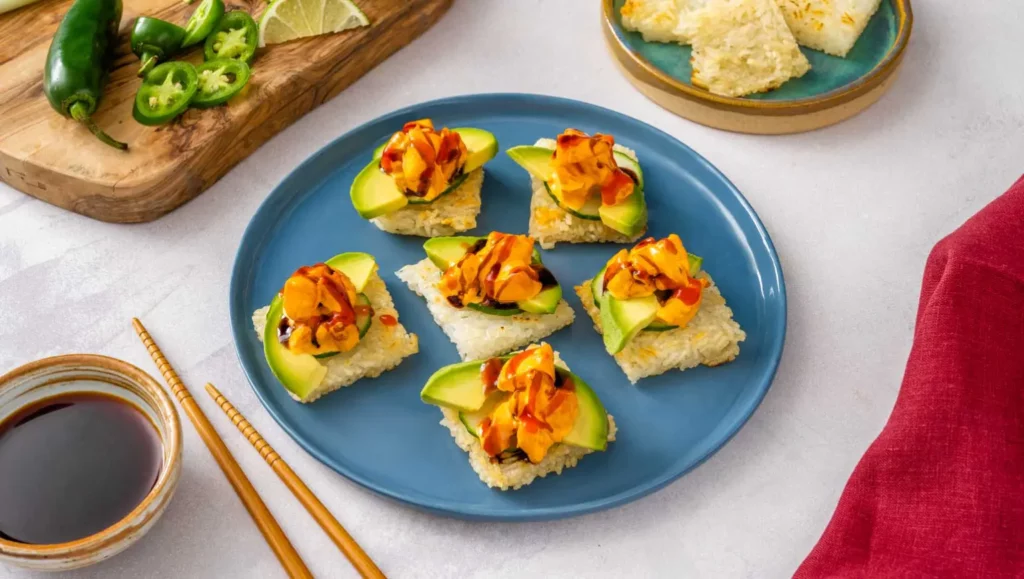
Crispy Rice with Spicy Shrimp Salad
A dish that can be served as an elegant appetizer, light lunch or welcome snack, this combination of crispy Success® boil-in-bag sticky rice, marinated shrimp, zippy sauce and creamy avocado is always a hit. Plan ahead, as the rice needs to cool completely and set before it can be cut into squares.
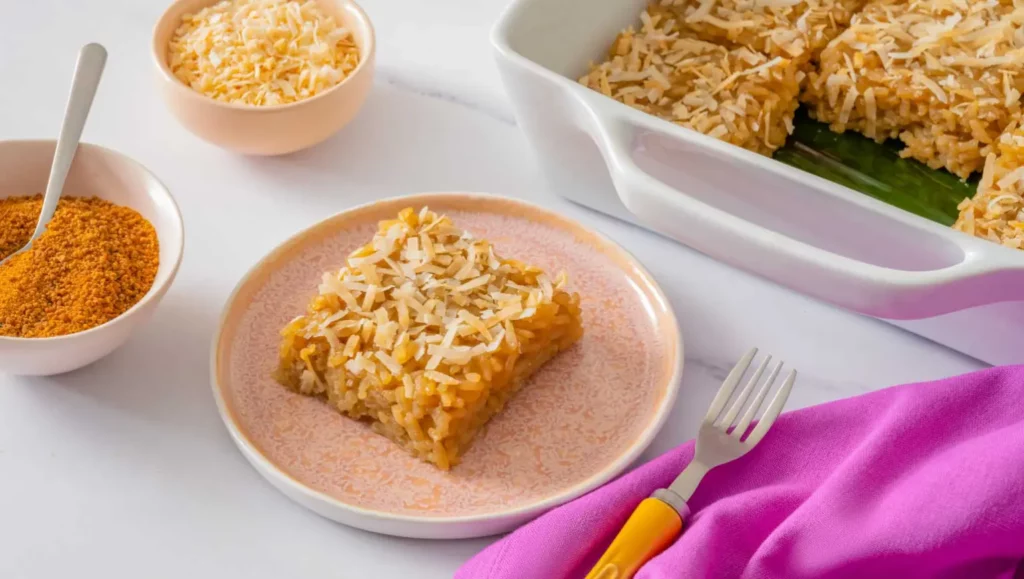
Biko (Filipino Sticky Rice Cake)
Move over mango sticky rice, there’s another irresistible sticky rice dessert in town! A caramelized, coconut-infused delight made with just a handful of ingredients, you’ll want to invite this tropical showstopper to every get-together from now on.
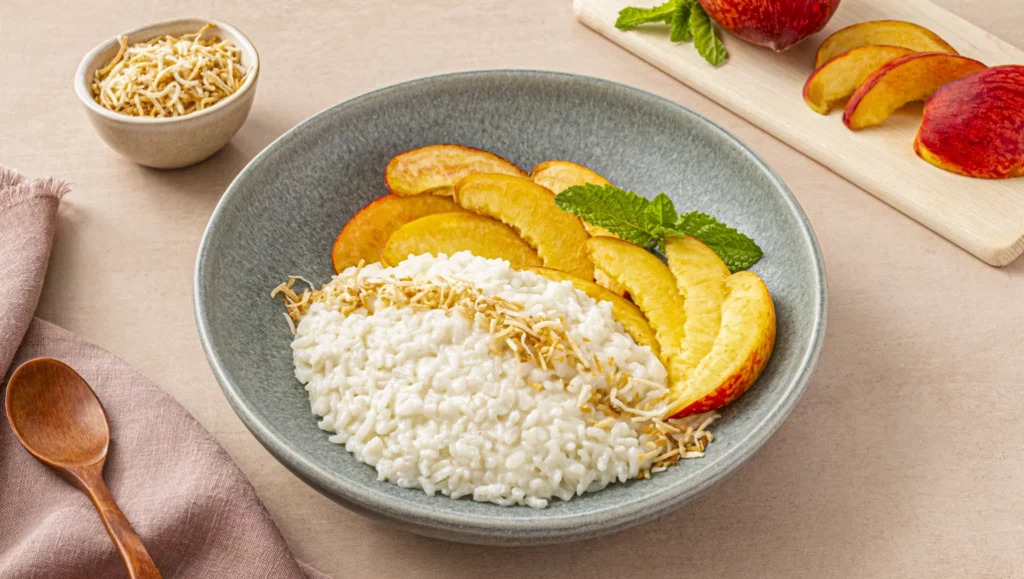
Peach Sticky Rice
A summertime must-try, this simple dessert combines velvety Success® boil-in-bag sticky rice with the season’s sweetest fruit. Not a fan of toasted coconut? Instead, try garnishing each bowl with chopped nuts, sesame seeds or coconut caramel.
Sweet Jasmine Mango Rice
Sweet, thickened coconut sauce adds texture and tropical notes to aromatic Success® boil-in-bag jasmine rice in this effortless dessert. For the best flavor, use the ripest mangoes you can find. You can also sub them out for peaches, papaya, banana, or another favorite fruit.

How to Store and Reheat Sticky Rice
Made too much sticky rice? Not a problem! Simple to store and reheat, leftover sticky rice is a great ingredient to have on hand and can help you get a headstart on your next delicious dish!
- To store sticky rice, spread it out on a baking tray so that it cools quickly.
- Once completely cooled, transfer leftover sticky rice to an air-tight container or a resealable bag. Store in the fridge for 1-3 days or in the freezer for up to 1 month.
- Sticky rice that has been refrigerated can be reheated in the microwave or in a steamer. To reheat sticky rice in the microwave, place rice in a microwave-safe bowl. Sprinkle with water or cover with a damp paper towel. Microwave in 30-second intervals until heated through.
- To reheat sticky rice in a steamer basket, add a couple of inches of water to a pot and bring to a boil. Place rice in the steamer basket and place in the pot. Cover and steam for 10-15 minutes, until rice is hot.
- If rice has been frozen, do not thaw. Simply break into small pieces and follow the above instructions. Cook until completely heated through.